

Championing the specialist
Informa's events, digital products and academic research services connect specialists with knowledge, helping them learn more, know more and do more
FTSE100
100s
11,000
30+
2023 Full Year Results
Informa has announced its Full Year Results for 2023, outlining a strong performance, with continuing momentum and growth in 2024 and updated market guidance.

- News
- Calendar
- Results
- 08 Mar 2024 Informa 2023 Full Year Results
- 14 Feb 2024Informa Recognised in Raft of Leading ESG Ratings and Rankings
- 10 Jan 2024New TechTarget: Informa accelerates in B2B Digital Services
- 10 Jan 2024Informa 2023 Full Year Trading Update
- 14 Nov 2023November 2023 Trading Update
- 27 July 2023Saudi Arabia’s Events Investment Fund acquires stake in Tahaluf, the Informa-KSA strategic joint venture supporting Vision 2030
- 8 Mar 2024 2023 Full Year Results
- 10 Jan 2024 2023 Full Year Trading Update
- 14 Nov 2023 2023 Ten-Month Trading Update
- 27 July 2023 2023 Half-Year Results
- 15 June 2023 2023 Annual General Meeting
- 9 Mar 2023 2022 Full Year Results
| Date | Title | Statement | Presentation | Webcast | Transcript | Report |
|
8 March 2024 |
Informa 2023 Full Year Results |  |
 |
 |
|
|
|
10 January 2024 |
Informa 2023 Full Year Trading Update |
|
|
|
|
|
|
14 November 2023 |
10 Month Trading Update | |
|
|

Connecting people, knowledge and ideas
Informa is home to dozens of different brands and businesses. What we all share is a focus on connecting people, connecting knowledge and connecting ideas.
It’s how we help our customers succeed in their roles and businesses, and how we make a positive impact on the markets and communities we work in.

Watch for a snapshot of Informa
Investing in Informa
Informa offers exposure to the growing, global knowledge and information economy.
We have scale leadership positions in Academic and B2B Markets and a portfolio of digital-first, data-driven products plus powerful live and on-demand events.

Our Specialist Markets
We have brands and teams operating in over a dozen specialist markets and subject matter categories.
This deep industry expertise keeps our products and services highly relevant and valuable to B2B, academic and professional customers.

Our Divisions

Taylor & Francis
Academic Knowledge
Taylor & Francis is one of the world's leading publishers of advanced, emergent and applied academic research and knowledge. We help to foster human progress through knowledge

Informa Markets
Trade, Innovate, Grow
In person through exhibitions and live events, online and through data, we help businesses, buyers and suppliers in over a dozen markets worldwide to connect, trade and grow.

Informa Connect
Connect, Learn, Network
Through content-rich live and on-demand events, accredited training and specialist digital content, we provide businesses and professionals with connections and learning that create commercial edge

Informa Tech
Inform, Connect, Inspire
Informa Tech sits at the heart of the global tech community. We provide market insight through research, media and training, and market access through live events and digital demand generation services to tech businesses and professionals looking to make better tech decisions

Life at Informa
Informa is proudly a people business.
We're here to champion our colleagues. Our culture, work and benefits offer everyone a chance to be at their best.
No two days are the same and we celebrate the diversity of our teams and people.
But wherever and whoever you are, you can expect the freedom to bring ideas to life, work that makes a real difference to our customers and markets and the chance to join an international and inclusive community of great people.
Join us for opportunities to build a varied career, in a company that's building for the future.

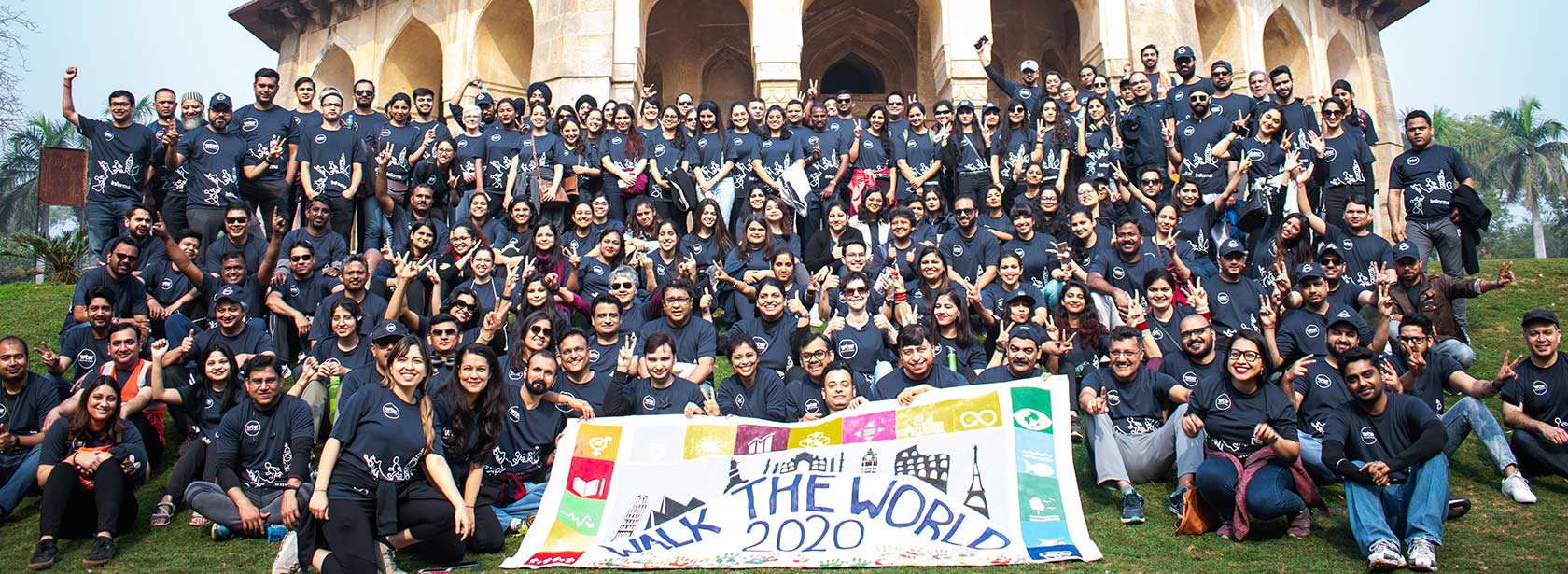
Sustainability
Sustainability is at the heart of how we work, serve our customers and support our communities.
Through our FasterForward programme, we're embedding sustainability into all our products and operations and making an ever greater and more positive impact on the markets and communities we work in.
Informa is a Carbon Neutral Company and we rank top of the global media sector in the Dow Jones Sustainability Index.
Championing Sustainability